



Iranian cultural heritage Minai pottery depicting bowls of a woman riding an elephant
This is a Minai pottery "Bowl depicting a woman riding an elephant", created in the 12th to 13th century AD, currently collected at the Minneapolis Institute of Art. Minai pottery, which originated in Iran, is a fine piece of medieval Persian ceramic art and is famous for its exquisite colorful decoration. This bowl depicts the scene of a woman riding on an elephant, showing the high integration of life and art. This work reflects the social style and artistic level of the time, and is an important material evidence for the study of medieval Islamic art and culture.

Medieval ceramic bowl
It is a pottery bowl from the medieval period, dating back to approximately between the 14th and 15th centuries. This cultural relic was discovered decades ago in a building near the current History Museum. It effectively showcases the appearance of daily necessities in the Girona region during the medieval period. This pottery bowl was modeled by the Pol Guiu and La Tempesta teams, with text provided by MHG and registration number MHG 8314-158. The detailed information of this model can be found on the official website of the Girona Historical Museum.
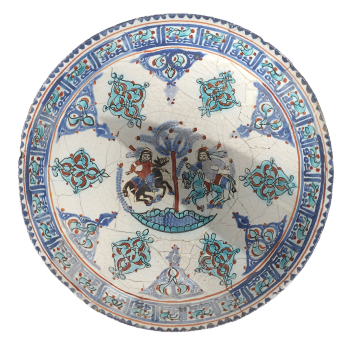
Mina'i porcelain bowl from Iran
The Iranian Mina'i porcelain bowl you mentioned was made between 1200-1299 AD and is now collected at the Minneapolis Museum of Art in the United States. The theme of this porcelain bowl is two people riding horses on either side of a tree, which often appears on Mina'i porcelain and may imply a hunting scene, a luxury enjoyed by the prince class. The material of this porcelain bowl is gypsum, with glazed painted decorations on top.

The bowl depicting the 'female cavalry'
The bowl depicting a female knight "is an Iranian artwork from the 12th to 13th centuries, currently housed in the Minneapolis Museum of Art in the United States. This artwork is a bowl depicting a lady riding a horse. Mina'i ware is a type of pottery from the Seljuk period in Iran (1038-1194). This period may be the most creative era in Persian pottery production. In addition to gold-plated vessels, minai vessels, and monochrome blue glaze, underglaze painted pottery was also produced. These bowls represent a popular variation of black design painted under transparent turquoise colored glaze.
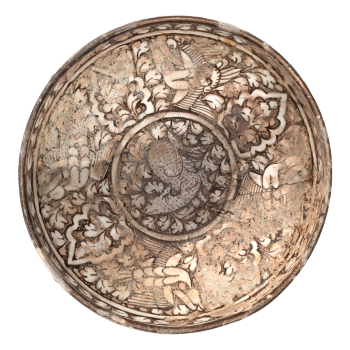
The bowl depicting the 'deer in the forest'
It is a 12th century pottery piece currently housed in the Minneapolis Museum of Art in the United States. This work is a bowl depicting the pattern of "deer in the forest". It is a part of Rayy Ware, a type of pottery from the Seljuk period in Iran (1038-1194). This period may be the most creative era in Persian pottery production. In addition to gold-plated vessels, minai vessels, and monochrome blue glaze, underglaze painted pottery was also produced. These bowls represent a popular variation of black design painted under transparent turquoise colored glaze.

Bowl with 'Willow Vine'
The blue glazed pottery bowl is a 12th century pottery item currently housed in the Minneapolis Museum of Art in the United States. This work is a bowl decorated with a "willow vine" pattern. It is a part of Rayy Ware, a type of pottery from the Seljuk period in Iran (1038-1194). This period may be the most creative era in Persian pottery production. In addition to gold-plated vessels, minai vessels, and monochrome blue glaze, underglaze painted pottery was also produced. These bowls represent a popular variation of black design painted under transparent turquoise colored glaze.
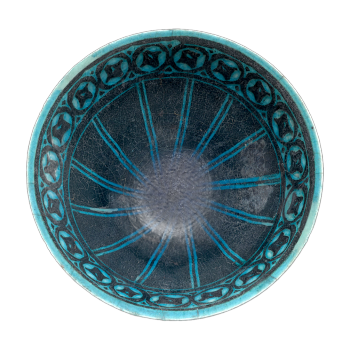
Green glazed pottery bowl
The blue glazed pottery bowl is a 12th century pottery item currently housed in the Minneapolis Museum of Art in the United States. This work is a bowl with a blue glaze. It is a part of Rayy Ware, a type of pottery from the Seljuk period in Iran (1038-1194). This period may be the most creative era in Persian pottery production. In addition to gold-plated vessels, minai vessels, and monochrome blue glaze, underglaze painted pottery was also produced. These bowls represent a popular variation of black design painted under transparent turquoise colored glaze.

Popular Models
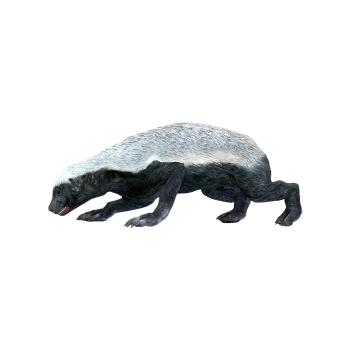
Honey Badger (3D animated model)
194 View
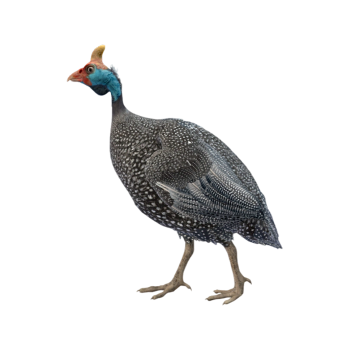
Guinea fowl (3D animated model)
165 View
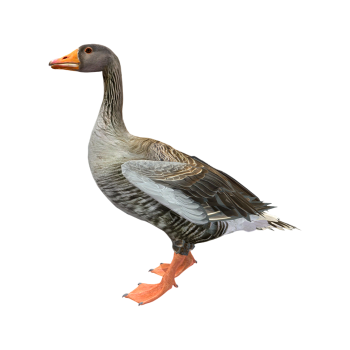
Wild Goose (3D animated model)
187 View
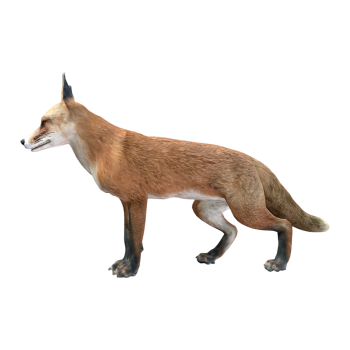
Red Fox (3D animated model)
155 View
Random Model

White Rhinoceros Skull
890 View

Adidas sts white and black sneaker
707 View

Fairy pterosaur (with 3D animated model)
1107 View

Sony Nex-VG30EH HD Camera
865 View

Toledo Type 42 Cannon
524 View

Vespa light motorcycle Piaggio Bravo
1303 View

Longevity Star Woodcarving
1036 View
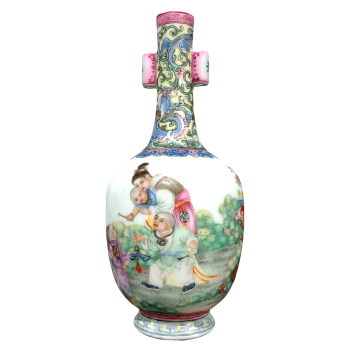
Qianlong Ancient Yuexuan Porcelain
733 View

Sitting stranger stone carving
894 View

Cut grapefruit
766 View